Workshops
A diverse program of workshops and hands-on activities awaits you—from Bible studies and engaging presentations to family activities and making music together.
The individual offers will be presented and updated here over time.
*Subject to change!
Workshop Registration
Saturday
Lecture
Saturday
10:00 a.m. – 12:00 p.m.
Rediscovered: The Moravian Church and (Sorbian) Lusatia
by Dr. Lubina Mahling
GERMAN
The World Heritage designation focuses primarily on the global impact of the Moravian Church. As a result, its Lusatian roots and close ties to the region are easily overlooked. Whether the urban middle class, the Lusatian nobility, or committed rural residents—they all contributed to the development of the three Moravian communities of Herrnhut (1722), Niesky (1742), and Kleinwelka (1751). Conversely, these three communities, through their connections to the region, shaped Lusatia in many different ways. Using the Sorbs as an example, this article aims to show the mark the Moravian Church left on Lusatia and how, through the multifaceted relationships between the Moravian Church and the Sorbs, a piece of the Moravian Church’s Lusatian heritage can be rediscovered.
Lecture
Saturday
10:00 a.m. – 12:00 p.m.
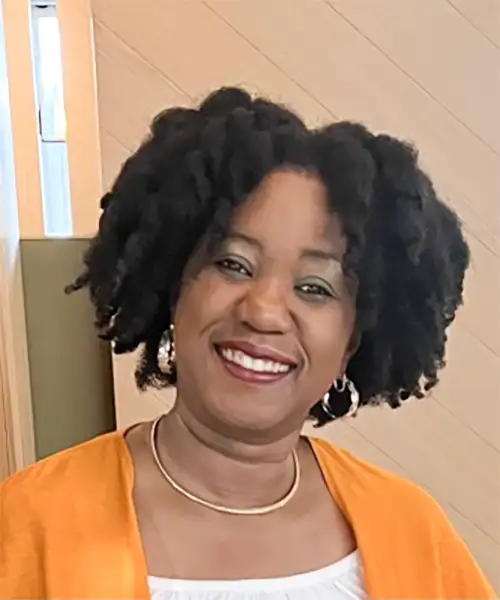
Browning of Moravian Spirituality: The 1727 Renewal and the Moravian Global South.
by Winelle Kirton-Roberts
ENGLISH
This workshop explores how Moravian communities across the Global South have reinterpreted and embodied the significance of August 13 as an ongoing celebration of spiritual renewal.
Rather than viewing the 1727 renewal solely as a historical event, these communities embrace it as a continuing outpouring of the Holy Spirit that empowers faithful witness, vibrant worship, and mission in the present.
By examining these lived expressions, the workshop argues that the "browning" of Moravian spirituality has enriched the church's understanding of the August 13 experience, demonstrating how Global South perspectives have reshaped Moravian identity and practice for the twenty-first century.
Lecture
Saturday
10:00 a.m. – 12:00 p.m.
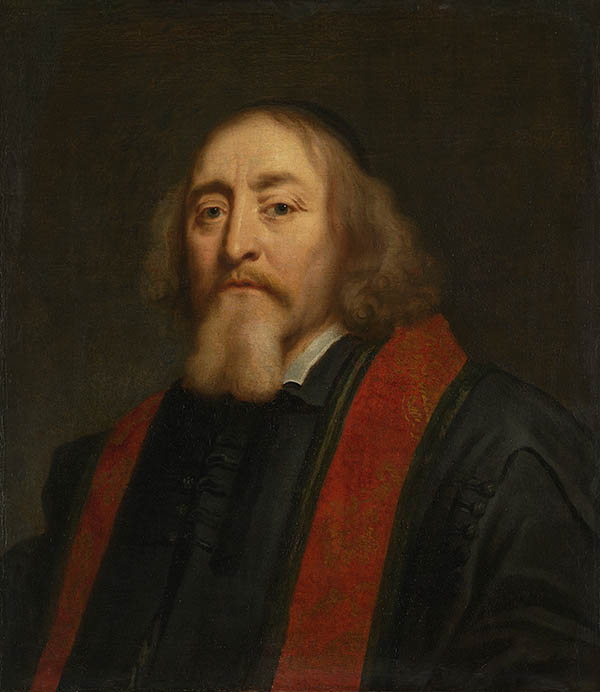
"Loving Conversations": Reconciliation According to Comenius
by Benigna Carstens & Rev. (Ret.) Manfred Richter
GERMAN
What is reconciliation—and how do we achieve it? Even in the midst of the Thirty Years’ War (1645), the Polish king attempted to bring the divided denominations together in Thorn (Toruń). It is no coincidence that Jan Amos Comenius was one of those who helped prepare the “affectionate conversations.” He, who had himself experienced severe persecution alongside his church and was living in exile in Poland, would continue to strive for peace among the churches until the end of his life. In a letter to a fellow advocate, he describes the steps toward successful reconciliation. Let’s take a look at them, also in light of our own histories of conflict. Reconciliation is possible!
Manfred Richter is the author of the book *The Unknown Comenius: A Bishop Calls for Radical Ecumenism*, Berlin 2021
Lecture
Saturday
3:00 p.m. – 5:00 p.m.
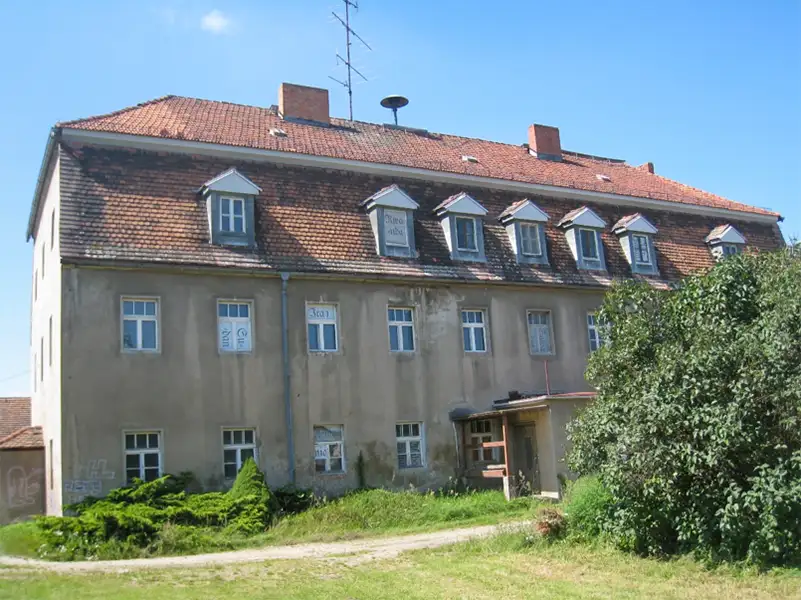
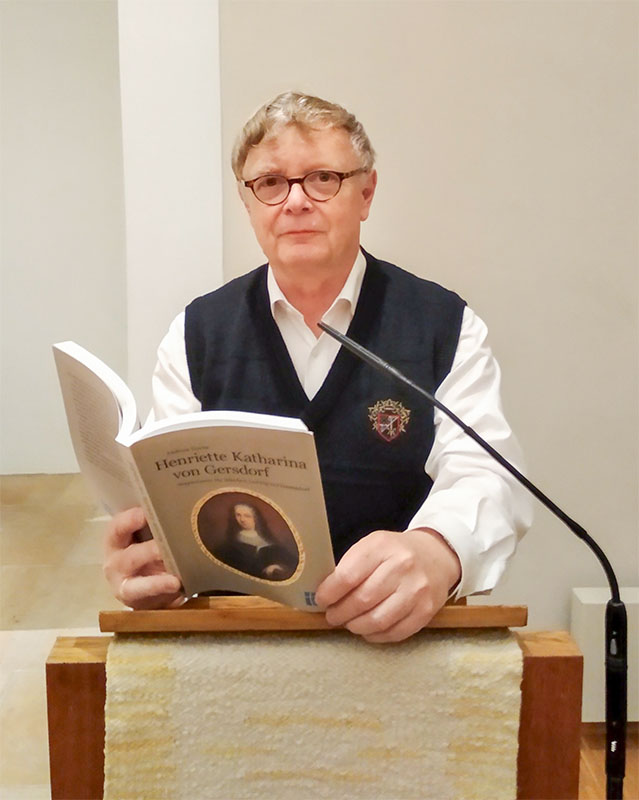
Stories from Berthelsdorf Castle
by Andreas Tasche
GERMAN
As a child, Zinzendorf lived in a castle for seven years. In his youth, he visited several castles in Saxony, Franconia, and Thuringia for a few weeks or months at a time, where he received important guidance. Later, he abandoned his plan to reform society from above and distanced himself from the castles. He hardly ever lived at Berthelsdorf Castle, which is actually a manor house. Unlike in Halle Pietism, castles played only a minor role in Herrnhut Pietism. The Herrnhut local congregations developed into bourgeois communities that merely had an aristocratic veneer. The exception—the Herrnhaag experiment with its Baroque festival culture—failed quickly. Zinzendorf received his decisive inspiration not from nobles, but from the middle class. —All of these developments are explored in the “Castle Stories,” told at the “Zinzendorf Castle in Berthelsdorf.”
Lecture
Saturday
3:00 p.m. – 5:00 p.m.
On the first shot, the ball goes out of bounds.
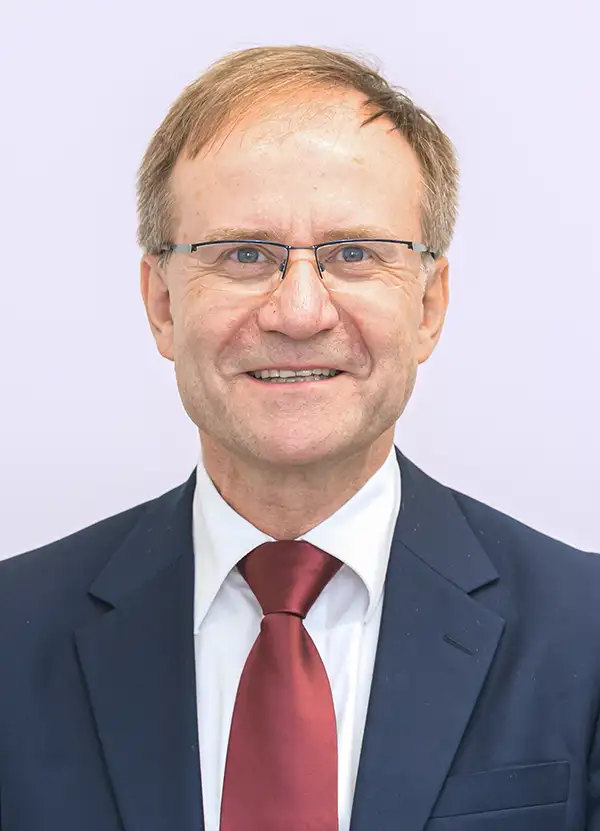
by Prof. (ret.) Dr. Peter Zimmerling
GERMAN
Pastoral Care in the Gangs on the Way to August 13, 1727.
Workshop
Saturday
3:00 p.m. – 5:00 p.m.
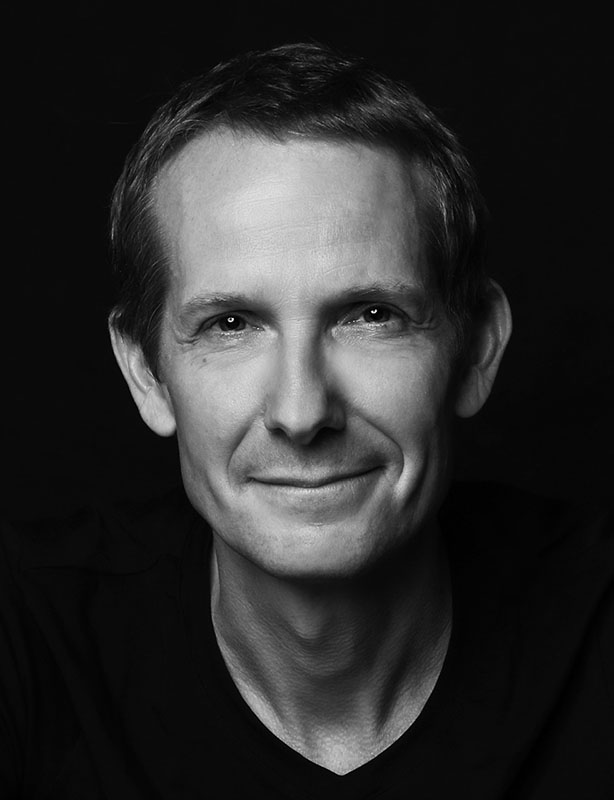
Body Percussion
by Pascal Gentner
GERMAN
ENGLISH
Rhythm, movement, and lots of fun! In our body percussion workshop, your own body becomes an instrument—with clapping, stomping, snapping, and plenty of groove. Together, we’ll work on rhythmic patterns and short choreographies and discover just how much music is inside us—no prior experience is necessary!
Sunday
Lecture
Sunday
3:00 p.m. – 5:00 p.m.
Stories from Berthelsdorf Castle
by Andreas Tasche
GERMAN
As a child, Zinzendorf lived in a castle for seven years. In his youth, he visited several castles in Saxony, Franconia, and Thuringia for a few weeks or months at a time, where he received important guidance. Later, he abandoned his plan to reform society from above and distanced himself from the castles. He hardly ever lived at Berthelsdorf Castle, which is actually a manor house. Unlike in Halle Pietism, castles played only a minor role in Herrnhut Pietism. The Herrnhut local congregations developed into bourgeois communities that merely had an aristocratic veneer. The exception—the Herrnhaag experiment with its Baroque festival culture—failed quickly. Zinzendorf received his decisive inspiration not from the nobility, but from the bourgeoisie. —All of these developments are explored in the “Castle Stories,” told at the “Zinzendorf Castle in Berthelsdorf.”
Monday
Workshop
Monday
10:00 a.m. – 12:00 p.m.
The Cross of Reconciliation in Rovensko pod Troskami
by Matouš Jaluška
ENGLISH
The workshop focuses with with the question of how processes of search for a peaceful way toward the future through a sandstone cross supported be , which to a specific location was built , at which reconciliation is is
The place in question is a meadow near a school in Rovensko pod Troskami, a smallish town in the North-Eastern Bohemia. On May 10 1945 the Czech and Soviet partisans massacred here a large group of unarmed, mainly civilian German-speaking refugees, who were being transported from already occupied parts of Silesia and Glatz further west to Germany. The exact number of victims is unknown, estimates oscillate between 280 and 365 people.
The cross in the form of a human figure burdened by guilt was made by a local sculptor Ivan Podobský and put in place by joint endeavour of the municipality and the local congregation of Moravian Church in 2021.
Since then it serves its purpose, attracts attention and enables discussions – or silences.
Bible Study
Monday
10:00 a.m. – 12:00 p.m.
Forgiveness—at any cost?
by Prof. (ret.) Dr. Peter Zimmerling
GERMAN
Bible study from: Colossians 3:12–17
Lecture
Monday
10:00 a.m. – 12:00 p.m.
The "Brüderliche" Church of Refuge—Between Christian Tradition and a Mission for the Future
by Stephan Theo Reichel
GERMAN
Herrnhut and the Unität have a long tradition as a church of refuge. The Herrnhut brothers and sisters have time and again been refugees themselves or have provided shelter to other refugees. We continue to share this compelling story today, including our diverse current activities, so that we can then work together to develop ideas and concepts for the future. Jesus’ words, “I was a stranger and you welcomed me,” remain our mission.
Workshop
Monday
10:00 a.m. – 12:00 p.m.
There can be no peace among nations without peace among religions
by Frieder Vollprecht
GERMAN
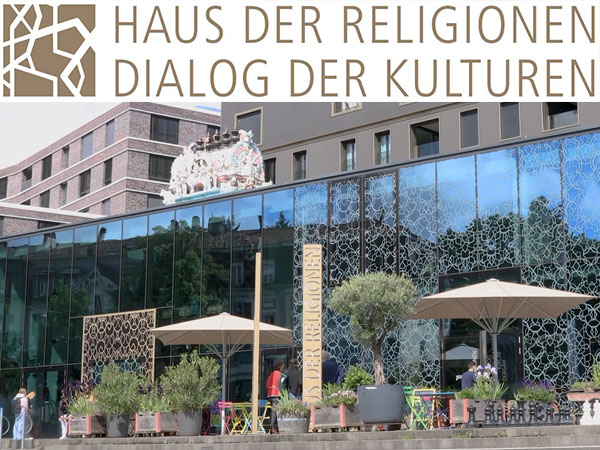
And there can be no peace among religions without dialogue between religions. With these words, the Swiss theologian Hans Küng laid the foundation for his “Global Ethos” project. The House of Religions in Bern follows this path, offering representatives of eight different world religions the opportunity to meet and exchange ideas under one roof, thereby contributing to the reconciliation of various religious traditions without blending them together or hastily smoothing over existing differences. The Moravian Church in Switzerland has been involved in this exciting project from the very beginning. The workshop will present the project using concrete examples.
Field Trip
Saturday
3:00 p.m. – 5:00 p.m.
Herbal Hike
by Beata Wilcke
GERMAN
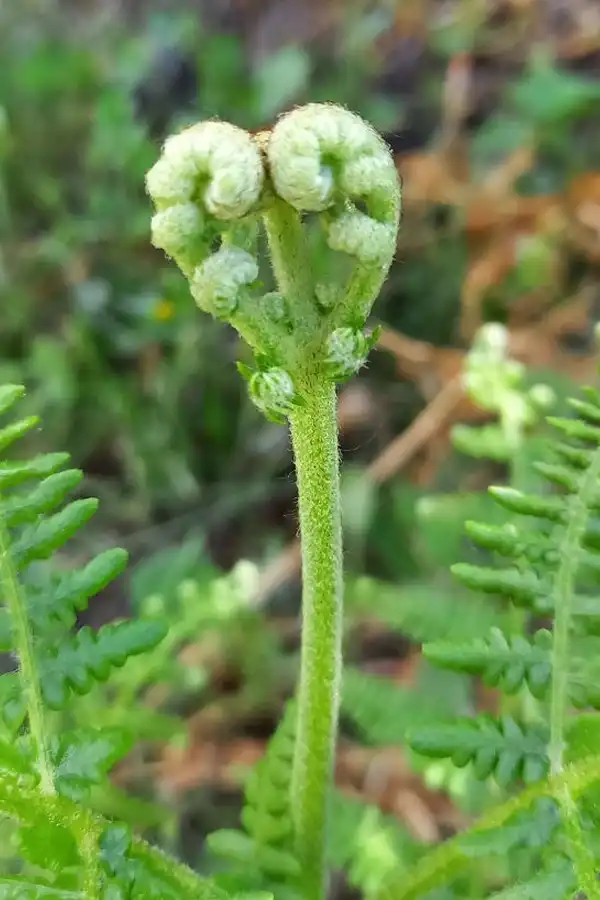
Wild greens thrive right beneath our feet, growing even into the tiniest cracks in the pavement—vigorous, tasty, and healthy.
On a walk, we’ll immerse ourselves with all our senses in the world of native herbs, trees, and shrubs, and in ancient knowledge of plants. How can you identify them? What healing powers do they hold, and how can they be used?
What do people say about her?
Welcome to a little tour of discovery!
The number of participants is limited to 15.